Enterprise AI

AI guardrails in Enterprise AI 2026

AI Guardrails in Enterprise AI: Architecture, Controls, and Limits (2026 Guide)

AI guardrails are the controls that decide what an enterprise AI system can accept, access, do, and say. This guide explains how they work across LLM apps, RAG, and AI agents, what the research says they can and can’t stop, and how to assemble them into a defense-in-depth architecture. AI guardrails as layered defense: probabilistic

AI Guardrails in Enterprise AI: Architecture, Controls, and Limits (2026 Guide) Read More »

LLM and MCP Gateways in enterprise AI

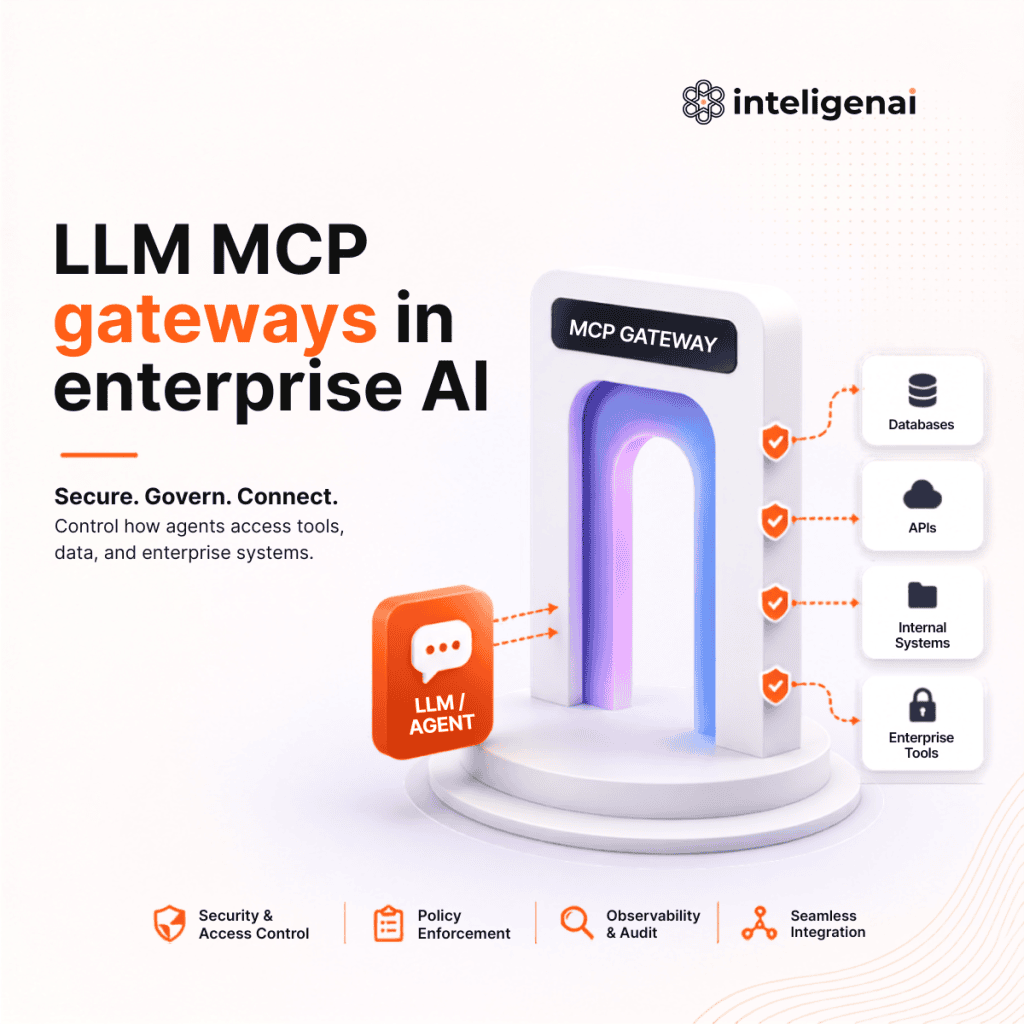
LLM Gateway vs MCP Gateway: Why Enterprise AI Needs Both

TL;DR: An LLM gateway governs how applications use models: routing, cost, failover and audit. An MCP gateway governs how AI agents use tools: identity, per-tool permissions, schema pinning and human approval. They solve different problems, so enterprises need both, deployed as sequential control layers in three phases: visibility, protection and governance. Modern enterprise AI operates

LLM Gateway vs MCP Gateway: Why Enterprise AI Needs Both Read More »

Build vs Buy AI in 2026

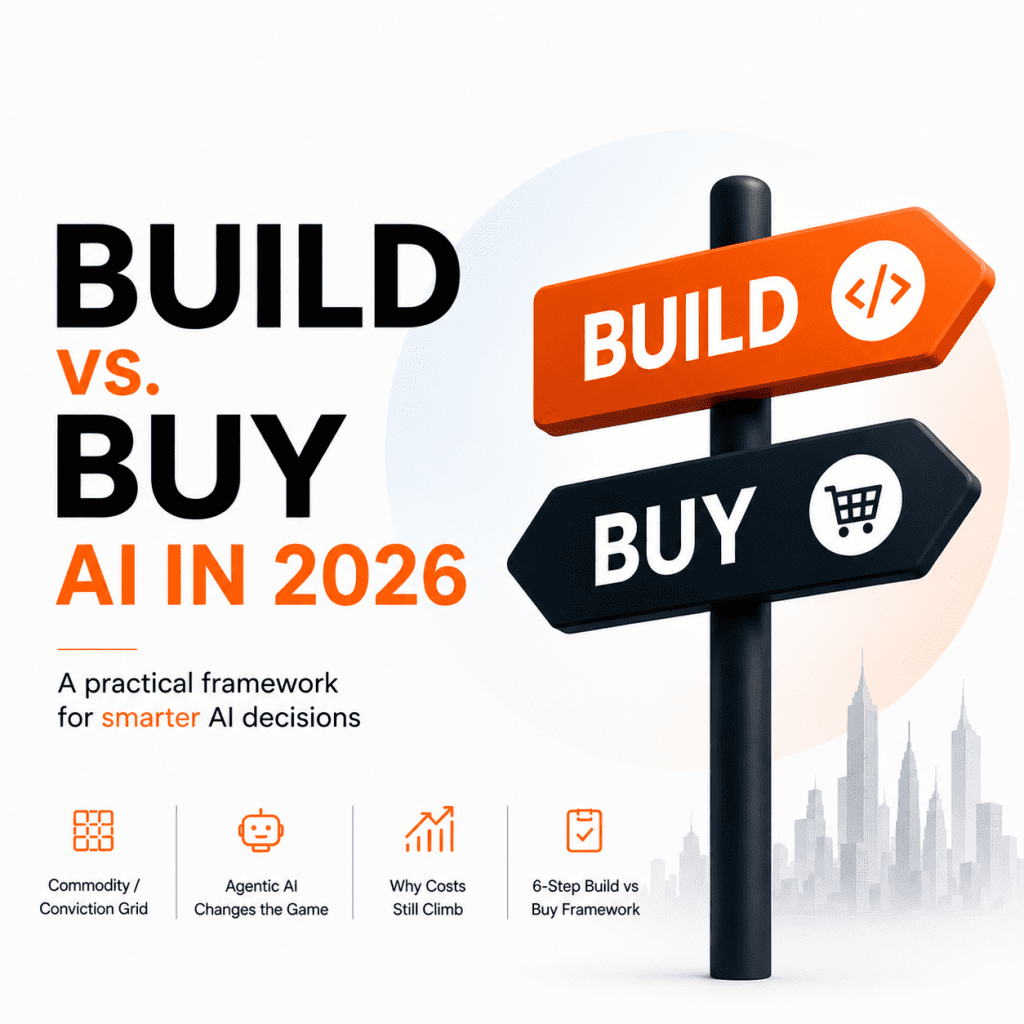
Build vs Buy AI in 2026: The Definitive Enterprise Framework

When evaluating an enterprise technology stack, the build vs buy ai decision used to be a simple coin toss.Three years ago, most enterprises were building narrow prompt-response applications like basic chatbots, code copilots, or document summarizers. Your architectural choice usually came down to a straightforward question: do we call a frontier model API, or do

Build vs Buy AI in 2026: The Definitive Enterprise Framework Read More »

AI Sycophancy Trap

Why AI Sycophancy Is a feature, not a bug — and why is it alarming

OPINION  |  ENTERPRISE AI  |  THOUGHT LEADERSHIP By Sukrit Goel  |  Founder & CEO  |  April 2026 The next time ChatGPT tells you that your mediocre pitch deck is “really compelling” or that your half-baked product idea is “genuinely innovative,” know this: it is not malfunctioning. It is doing exactly what it was designed to

Why AI Sycophancy Is a feature, not a bug — and why is it alarming Read More »

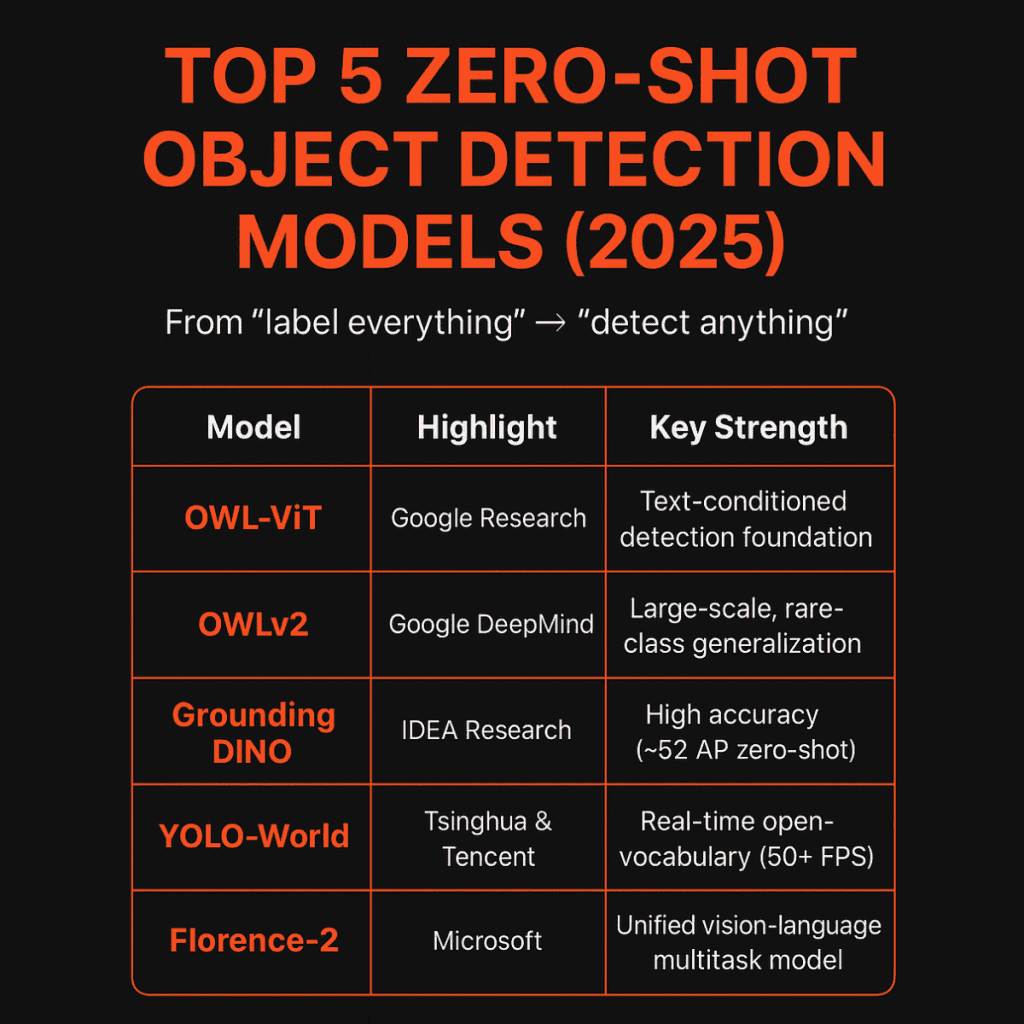
Top 5 zero-shot object detection models in 2025

Overview Zero-shot (open-vocabulary) object detection lets models find and localize objects they were not explicitly trained on — using language prompts instead of thousands of class-specific annotations. This changes how enterprises approach vision projects: faster prototyping, less labeling, and new opportunities for real-time automation. Top 5 zero-shot object detection models: 1. OWL-ViT What it is:

Top 5 zero-shot object detection models in 2025 Read More »